
Honduras
2 Open Study/Research Award
Accepted Degree Levels
|
Grant PeriodFlexible StartGrant Length10 Months |
Award Type
Award Profile
The Fulbright Open Study/Research Award to Honduras supports independent research projects across all academic disciplines. Grantees collaborate with local institutions, researchers, or community partners while contributing to mutual understanding and academic exchange between the United States and Honduras.
Grant Length
Grant Period
Grant Length: 10 months.
The academic year in Honduras varies depending on the institution, but usually begins in early February and ends in mid-December. Most grantees begin in the fall, but the start date is flexible. Grants may begin any time between August 2027 and March 31, 2028. If working with an academic institution, please consider that the longer academic break takes place between December and January.
Orientation
As a condition of the grant, all grantees to Honduras are required to participate in the Pre-Departure Orientation.
Candidate Profile
Applications from recent graduates, master's degree students, and doctoral candidates are welcome. Applications from all fields of study are accepted.
Successful candidates are adaptable, self-directed, and motivated to engage meaningfully with their host communities. Strong applications demonstrate a clearly defined project, a solid working relationship with a proposed affiliate, and thoughtful plans for community engagement.
Fulbrighters to Honduras often participate in volunteer activities, teach English informally, and engage in cultural exchange beyond their research activities.
What is life like for Fulbrighters in the host country?
Applicants are expected to research their host country. Application materials should indicate a clear commitment to the host country community and a description of how you will engage with it.
Honduras offers a diverse research environment shaped by its cultural heritage, biodiversity, and community-driven initiatives. Grantees may be based in Tegucigalpa or other regions, depending on their affiliation and project focus.
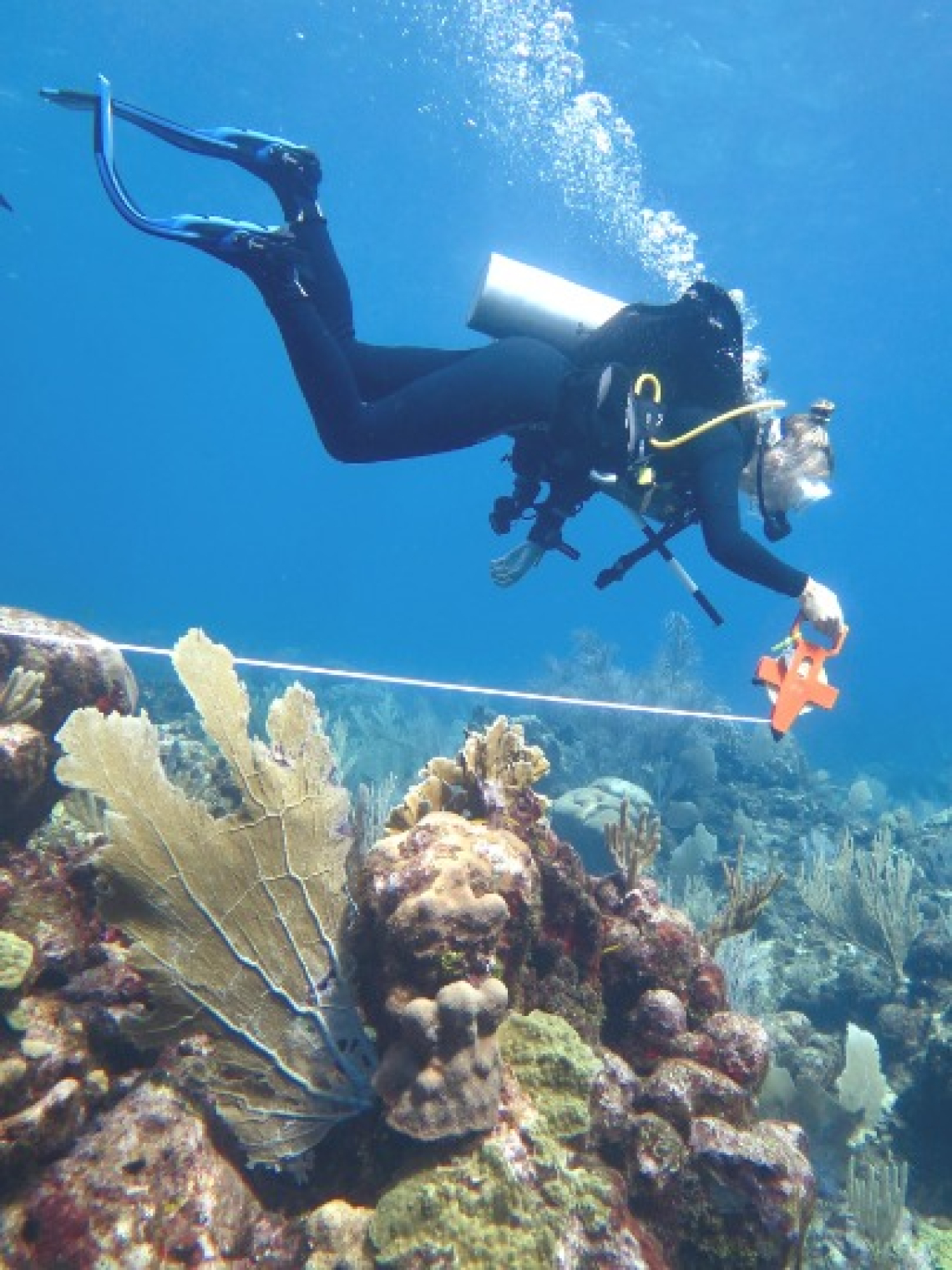
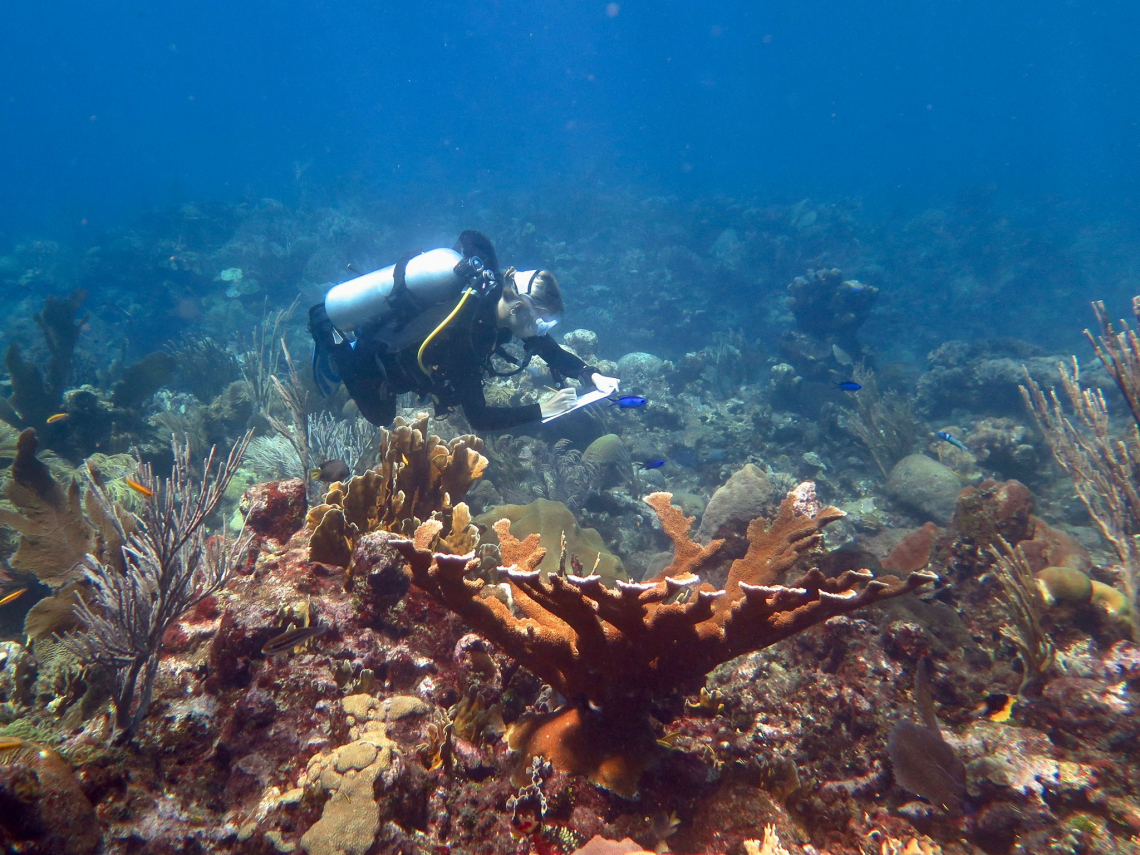
The country is home to the Mayan Ruins of Copán, a World Heritage site, and to pristine beaches on the Caribbean. The Bay Islands, part of the Mesoamerican Barrier Reef, are a well-known destination for diving and snorkeling. Honduras also has several rainforest and tropical forest national parks to enjoy hiking, birdwatching, and spectacular landscapes.
While infrastructure and administrative processes may differ from U.S. institutions, grantees often find strong personal relationships, welcoming communities, and meaningful opportunities for impact. Flexibility and patience are valuable qualities for a successful experience.
Please see additional resources below to learn more.
Eligibility
Degree Level of Applicant
- Bachelor's
- Master's
- Doctoral
Foreign Language Evaluation (FLE) Form
If required, submission of the Foreign Language Evaluation (FLE) form is mandatory, even if you have advanced skills or are a native speaker of the language. Failure to submit the required FLE form may impact your eligibility.
Applicants should discuss plans for language study between the time of application and the commencement of the grant with the Language Self-Evaluation. A Foreign Language Evaluation by a college level Spanish language instructor is also required.
Foreign Language Proficiency Level by Grant Start
If a Foreign Language Evaluation (FLE) form is Required, applicants must have the following proficiency level by the start of the grant period. If a Foreign Language Evaluation (FLE) form is Recommended, applicants are encouraged but not required to have the following level by the start of the grant period.
Additional Information: Higher level proficiency may be necessary depending on the requirements of the proposed project.
Fulbright Proposal Types
Yes
No
Affiliation
Applicants must independently secure an affiliation with an academic institution, research center, or appropriate organization in Honduras. A letter of affiliation is required at the time of application.
The U.S. Embassy in Tegucigalpa may provide guidance in identifying potential institutions but does not formally place applicants. See U.S. Embassy contact below.
Affiliation Fees/Tuition
Award Benefits
- A stipend broadly based on the cost of living in the host country. These funds may be used by the grantee to support housing, meals, and incidental costs during the grant period.
- International travel benefits
- Accident & sickness health benefits
- 24/7 mental health support line for urgent and non-urgent situations
- 12 months of non-competitive eligibility (NCE) hiring status within the federal government
Stipend Amount
This is an estimated amount and is subject to change. The financial terms of the grant will be confirmed in the grant document issued after selection.
One-Time Allowances
This is an estimated amount and is subject to change. The financial terms of the grant will be confirmed in the grant document issued after selection.
- Excess baggage fees
- Research/Materials allowance
- Settling in allowance
- USD $2,850 base allowance to cover round-trip international travel, transit, excess baggage, settling-in expenses
- USD $1,500 research allowance
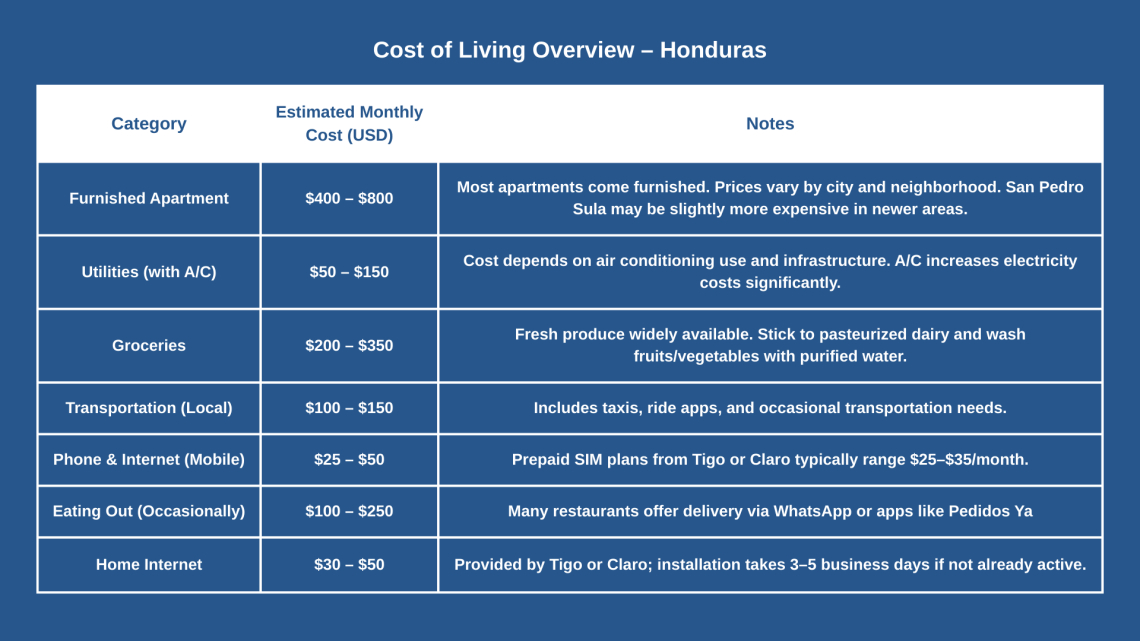
Estimated Cost of Living
Consider using cost of living comparison websites to gain a better understanding of the potential costs in your host country.
Please visit this website to help estimate the cost of living, meals, and incidentals in different major cities in Honduras. Significant differences can exist in smaller towns where costs tend to be lower. Here's an overview of our estimated cost of living:
Please see additional resources below to learn more.
Dependents
Housing Arrangements
Grantees are responsible for securing their own housing. Recent participants have arranged accommodations through short-term rental platforms, local contacts, or directly through their host institutions. Housing options vary by city and region.
Research clearance
It is required that applicants in Archaeology/Anthropology request approval from the Honduran Institute of History and Anthropology before beginning research. Grantees should consult with their affiliation to determine if research clearance is required and the timing for the application process.